
Book Your Free Consultation
Blastocyst Transfer – Advancing the IVF Success Journey
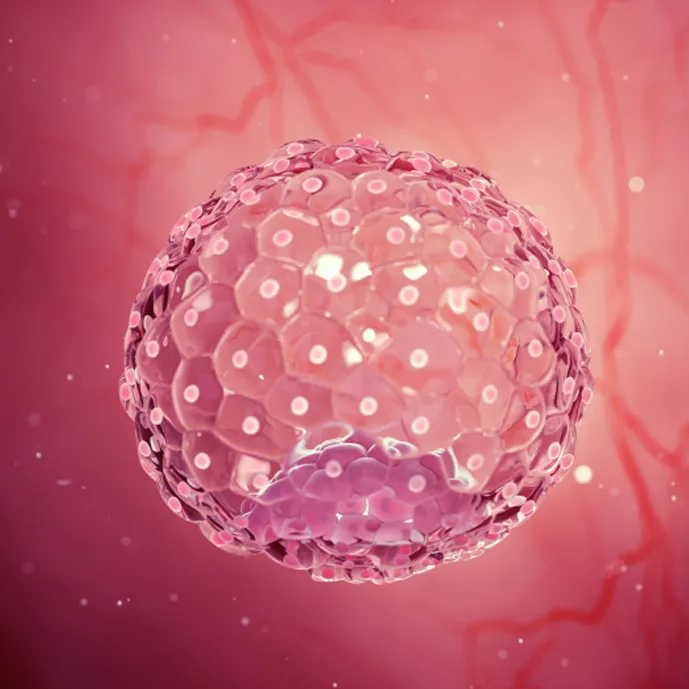
What is Blastocyst Transfer?
Blastocyst Transfer is an advanced stage in the IVF process where an embryo is transferred to the uterus on day five of its development.
By this time, the embryo has reached the blastocyst stage — meaning it has successfully grown through earlier stages and demonstrates a better capacity for implantation.
Since only the strongest embryos typically reach this phase, blastocyst transfer is often associated with higher success rates.
At Yatika IVF Center, this approach supports couples who may have experienced previous IVF failures, miscarriages, or reduced success in earlier cycles.
When is Blastocyst Transfer Recommended?
Blastocyst transfer is commonly advised when:
-
Standard IVF attempts have resulted in low implantation success
-
Multiple embryos are available for selection
-
Higher precision in embryo selection is required
-
Previous treatment cycles have not achieved pregnancy
In cases where male infertility plays a role, blastocyst transfer may also be combined with techniques like ICSI to optimize fertilization and embryo quality.
Why Choose Yatika IVF Center for Blastocyst Transfer?
Yatika IVF Center integrates advanced reproductive science, experienced specialists, and a supportive environment to guide couples through personalized treatment plans.
Blastocyst Transfer Process
-
Ovarian stimulation and egg retrieval
-
Fertilization through standard IVF or ICSI
-
Embryo culture in the laboratory for 5 days
-
Selection of healthy blastocysts
-
Embryo transfer into the uterus
Embryos are closely monitored in controlled laboratory conditions, following internationally accepted standards.
Only the best-quality embryos are chosen for transfer, which may improve the chances of implantation.
At Yatika IVF Center, embryologists use established culture systems and strict laboratory protocols to support embryo development successfully.
Why Blastocyst Transfer at Yatika IVF Center?
-
-
Advanced laboratory facility for extended embryo culture
-
Careful assessment to select viable blastocysts
-
Expertise in combining IVF and ICSI when indicated
-
Personalized treatment planning based on patient needs
-
Focus on safety, accuracy, and patient-centric care
Couples appreciate that this approach is not just procedural but thoughtfully guided by expert insight and emotional support.
-
Recovery, Risks & Success Expectations
-
Most women resume routine activities within a day or two after transfer.
Some may experience mild cramping, bloating, or discomfort, which usually resolves quickly.Risks associated with blastocyst transfer are minimal but may include:
-
A slightly increased chance of multiple pregnancy
-
Mild ovarian hyperstimulation in certain cases
Success depends on age, embryo quality, medical condition, and overall reproductive factors.
However, because blastocysts have already proven strong development, this method may support higher chances of achieving pregnancy. -