Infertility is defined as the inability to conceive even after one year of regular, unprotected intercourse.
According to the World Health Organization (WHO), infertility affects nearly 17.5% of couples worldwide. In India, about 1 in 6 couples experience difficulty in conceiving. Infertility can occur due to issues in either partner, but women often face greater emotional stress and social pressure. The good news is that with proper diagnosis, lifestyle changes, and medical treatment, many women can successfully overcome fertility challenges.
Understanding Female Infertility
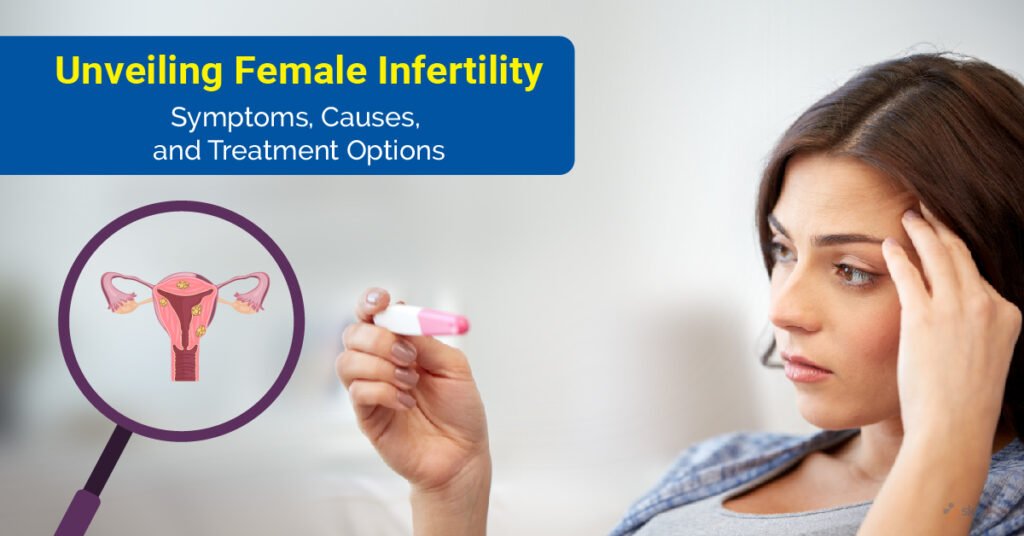
Female infertility occurs when a woman’s reproductive system does not support conception or pregnancy. This may happen if ovulation does not occur, the fallopian tubes are blocked, or the uterus cannot support embryo implantation. In some cases, no clear cause is found—this is known as unexplained infertility.
Every woman’s body is unique, which is why infertility must be evaluated and treated on an individual basis.
Common Causes of Infertility in Women
1. Endometriosis
Endometriosis is a condition in which tissue similar to the uterine lining grows outside the uterus, such as on the ovaries or fallopian tubes. It can cause painful periods, scarring, and difficulty conceiving naturally. Early diagnosis and appropriate treatment can significantly improve fertility outcomes.
2. Ovulation Disorders
Ovulation problems occur when an egg is not released regularly. This may be caused by conditions such as PCOS (Polycystic Ovary Syndrome), thyroid imbalance, excessive stress, or sudden weight changes. Women with irregular or missed periods often experience ovulation-related fertility issues.
3. Fallopian Tube Blockage
The fallopian tubes carry the egg from the ovary to the uterus. If they are blocked or damaged, fertilization cannot occur. Common causes include:
- Past pelvic infections
- Untreated sexually transmitted infections
- Previous abdominal or pelvic surgeries
Tests like an HSG (Hysterosalpingography) help determine whether the tubes are open or blocked. Many blockages can be treated with medication or surgery.
4. Uterine or Cervical Problems
Fibroids, polyps, uterine infections, or cervical abnormalities can interfere with embryo implantation and growth. Minor surgical procedures often resolve these issues and improve the chances of pregnancy.
5. Age and Egg Quality
As women age—especially after 35—the quality and quantity of eggs decline. For women planning pregnancy later in life, egg freezing can be an effective option to preserve fertility.
6. Lifestyle Factors
Smoking, alcohol consumption, unhealthy diet, obesity, or excessive caffeine intake can disrupt hormonal balance and negatively impact fertility over time.
7. Unexplained Infertility
Sometimes, all medical tests appear normal, yet pregnancy does not occur. This condition can be emotionally challenging, but advanced fertility treatments often help couples conceive even in such cases.
How Female Infertility Is Diagnosed
Diagnosis begins with a detailed medical history and physical examination. Depending on individual needs, doctors may recommend:
- Blood tests to assess hormone levels related to ovulation
- Ultrasound scans to evaluate the uterus, ovaries, and egg development
- HSG test to check whether fallopian tubes are open
- Laparoscopy, a minimally invasive procedure to detect endometriosis or pelvic abnormalities
- Partner evaluation, including semen analysis, as male factors may also contribute to infertility
Treatment Options for Female Infertility
Treatment depends on the underlying cause and overall health of the couple.
1. Lifestyle and Dietary Changes
Simple changes can significantly boost fertility naturally. A fertility-friendly diet includes:
- Green leafy vegetables
- Fruits, nuts, and seeds
- Whole grains and dairy products
- Adequate sleep and regular physical activity
Maintaining a healthy weight and reducing stress are equally important.
2. Medications
If ovulation is irregular or absent, doctors may prescribe fertility medications in the form of tablets or injections under medical supervision.
3. IUI (Intrauterine Insemination)
IUI is often recommended as an initial fertility treatment. In this procedure, prepared sperm is placed directly into the uterus during ovulation. It is painless and increases the chances of pregnancy, especially in cases of mild male-factor infertility or unexplained infertility.
4. IVF (In-Vitro Fertilization)
When other treatments fail, IVF becomes a highly effective option. Eggs are collected, fertilized in a laboratory, and the resulting embryo is transferred into the uterus. IVF offers hope to couples with complex fertility issues.
5. Surgical Treatment
Minor surgeries may be required to remove fibroids, cysts, or correct blocked tubes. Advanced techniques like ICSI may be used if male infertility is a contributing factor.
When to See a Fertility Specialist
Consider consulting a fertility specialist if:
- You have been trying to conceive for over one year
- You are over 35 and unable to get pregnant
- Your periods are irregular or extremely painful
- You have experienced repeated miscarriages
Early evaluation can save valuable time and improve outcomes.
Final Thoughts
Female fertility problems can arise for many reasons, and each requires a different approach. With timely diagnosis, healthy lifestyle changes, and modern medical treatments, parenthood is achievable for many couples. Do not delay seeking help—understanding your body and acting early can make all the difference on your journey to becoming a parent.