
Book Your Free Consultation
Intracytoplasmic Sperm Injection (ICSI) – Advanced Fertility Treatment
What is Intracytoplasmic Sperm Injection (ICSI)?
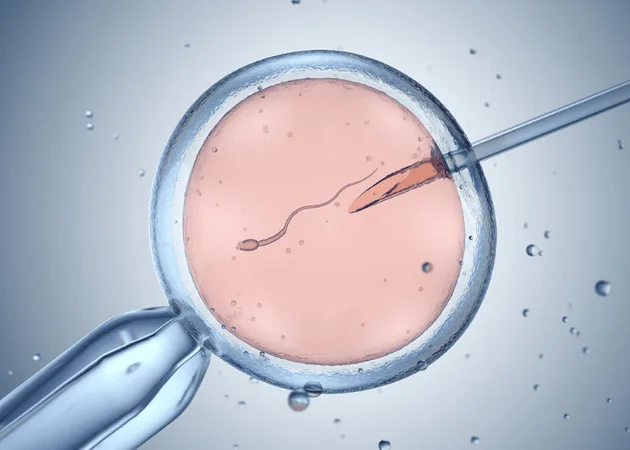
Intracytoplasmic Sperm Injection (ICSI) is an advanced fertilization technique widely used in modern fertility care.
In this method, when a sperm cannot naturally fertilize an egg, a single healthy sperm is directly injected into the egg using micromanipulation technology.
This process supports fertilization even in severe male infertility cases and offers a solution for couples who have previously experienced fertilization failure through traditional IVF.
ICSI is particularly suitable for individuals facing sperm-related infertility concerns. It significantly enhances the chances of egg fertilization.
At Yatika IVF Center, couples receive medical guidance, compassionate support, and advanced laboratory care throughout their treatment journey.
When is ICSI Recommended?
ICSI is typically recommended when:
Sperm count is extremely low
Sperm motility is poor
The sperm is unable to penetrate the egg naturally
Prior IVF cycles have failed
Surgically retrieved sperm is being used
Infertility remains unexplained after evaluation
Specialists at Yatika IVF Center assess each case individually to determine whether ICSI is the appropriate approach, ensuring timely and accurate treatment decisions.
Why Choose Yatika IVF Center for ICSI Treatment?
Yatika IVF Center combines scientific treatment planning, ethical standards, experienced fertility specialists, and personalized care to maximize the chances of successful parenthood.
ICSI Treatment Process
The ICSI procedure follows a structured series of steps:
Ovarian stimulation – Hormonal injections are given for several days to help the ovaries produce multiple mature eggs.
Egg retrieval – The eggs are collected through a minimally invasive procedure under mild anesthesia.
Sperm collection – Sperm is obtained from the male partner or through surgical retrieval if required.
Sperm selection – An embryologist identifies the healthiest sperm for injection.
Micromanipulation – A single selected sperm is injected directly into a mature egg using advanced laboratory technology.
Embryo development – The fertilized egg is monitored for cell division and growth.
Embryo transfer – Once the embryo reaches a suitable stage, usually the blastocyst stage, it is transferred into the uterus.
Throughout the process, patients receive continuous monitoring and medical guidance.
Yatika IVF Center follows standardized laboratory protocols and employs trained embryologists and fertility experts to ensure accuracy and safety at every step.
Why ICSI at Yatika IVF Center?
Modern laboratory technology and strict quality control
Customized treatment planning for every individual
Micromanipulation tools to improve fertilization success
Skilled embryologists handling each case
Supportive clinical environment with transparent counseling
Couples often trust Yatika IVF Center for its focus on both medical precision and emotional care throughout their treatment journey.
Recovery, Risks & Success Expectations
Most women recover quickly after egg retrieval and can resume normal activities within a short time.
Mild cramping or bloating may occur initially, but these symptoms generally settle soon.Potential risks are minimal but may include:
Ovarian hyperstimulation
Infection
Emotional stress during treatment stages
Supportive counseling can help couples navigate psychological challenges associated with infertility treatment.
Success rates vary based on:
Women’s age
Egg quality
Male sperm health
Overall reproductive conditions
While ICSI improves fertilization chances, it does not guarantee pregnancy. However, many couples achieve positive outcomes through this method.